Intense Global Competition

The rise of online job platforms and remote work since the pandemic has transformed the hiring landscape. Companies can now advertise jobs globally and receive applications from candidates around the world, which has dramatically increased competition for all tech jobs. Skilled professionals from different countries now compete for the same roles, especially remote jobs.
But there were other factors that increased competition for jobs:
1. Easy access to job opportunities
The internet made it effortless for companies to post a job — and equally effortless for candidates to apply. The result is an arms race that neither side is winning.
The rise of the internet has revolutionized the job search process, primarily through the proliferation of online job search platforms. These platforms have provided companies with an easy, efficient, and accessible way to advertise job openings, expanding their reach to a diverse range of applicants from various geographic locations and backgrounds.
The same technology that simplifies job posting also allows candidates to submit hundreds of applications quickly. A single job posting on LinkedIn can attract a thousand applications in 48 hours. For job seekers, applying widely feels productive, but in reality, the odds of a cold application reaching a human decision-maker are lower than ever.
This surge in applications has intensified competition, fundamentally transforming the hiring process. Companies now have access to a wider and more diverse talent pool, making the job search much more competitive for applicants. Skilled professionals from around the world often compete for the same positions, leading to an overwhelming number of applicants for each role, which further complicates the hiring process.
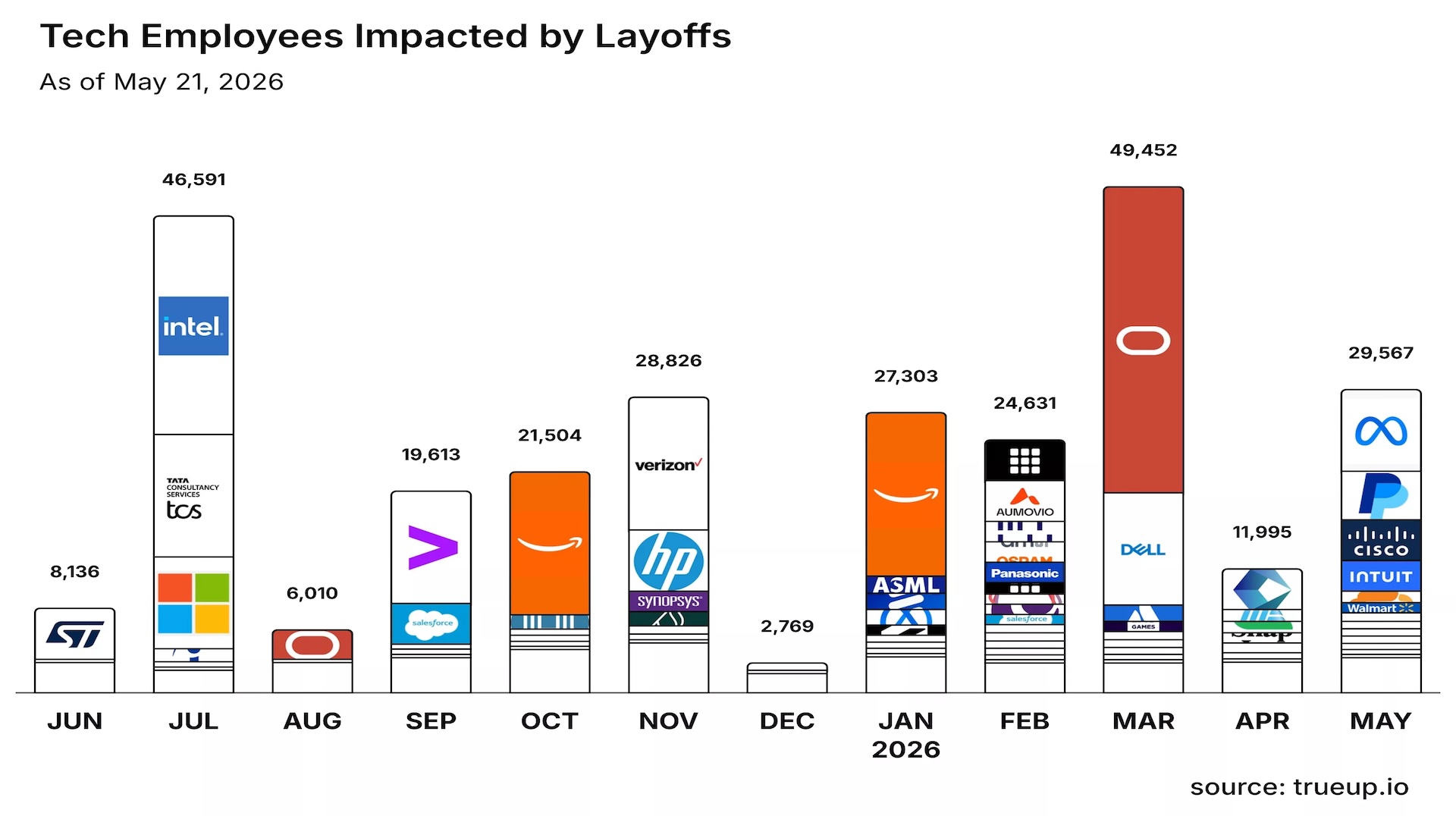
2. Layoffs Flooded the Market
The 2022–2024 layoff cycle didn’t just hurt the people who lost jobs. It fundamentally changed the competitive landscape for everyone. Hundreds of thousands of experienced engineers — many from household-name companies like Meta, Google, Amazon, and Microsoft — entered the job market simultaneously. They brought strong résumés, recognizable brands, and years of experience while competing for the same roles as everyone else.
3. Bootcamps, Online Courses, and Computer Science Expansion
At the same time that hiring has slowed, the number of people pursuing software engineering careers has continued to grow.
Educational resources have become more accessible than ever. Over the past decade, the pathways into software engineering multiplied. Coding bootcamps promised career transitions in 12 weeks. Platforms like Coursera, Udemy, and freeCodeCamp put quality instruction within reach of anyone with an internet connection.
Universities have significantly expanded computer science enrollment over the past decade, producing a larger number of graduates entering the workforce each year.
All of this was good for the industry broadly — but it also meant the supply of candidates has grown far faster than the number of available roles.
4. Global Remote Competition
Remote work, normalized during the pandemic and now deeply embedded in tech culture, has fundamentally changed hiring dynamics. Applying for a job is no longer limited by geography, resulting in candidates competing not only within their local markets. Many positions attract applicants from across the country or around the world. A developer in Eastern Europe, South Asia, or Latin America can apply for the same role as someone in San Francisco. For companies, this is a feature — access to cheaper, global talent at varying price points. For domestic candidates, it means competing with a much larger and more diverse pool of candidates who are willing to be paid much less than the going rate for engineers in the US.
5. H-1B visas
H-1B visas have similarly expanded the domestic competitive pool. The program allows foreign nationals to work in the U.S. tech market, and it sees record application volumes annually. While this benefits employers and contributes to innovation, it also creates more competition among domestic job seekers for already-shrinking available positions.
6. Advanced Filtering and Automation Tools
The surge in job applications has created challenges for employers, such as managing an overwhelming volume of resumes and identifying qualified candidates. To address this, applicant tracking systems (ATS) were introduced, automating the filtering process based on strict criteria.
While these tools increased efficiency, they also posed barriers for applicants, particularly those with non-traditional backgrounds, as many resumes are filtered out before reaching human decision-makers. This limits opportunities for such candidates to showcase their qualifications to hiring managers.