The Perfect Storm That Broke the Job Market

A “perfect storm”: a cascade of negative events - a rare combination of unpredictable circumstances creating an unusually severe or disastrous situation.
The tech job market in general has changed dramatically over the past two decades as a result of global economic forces, shifting business priorities, and advances in technology.
The software engineering job market has become increasingly competitive due to several major economic and industry changes occurring simultaneously, creating an enormous mismatch between supply and demand for engineering jobs, with more competition for fewer open roles.
I like to call it: the “perfect storm” that broke the equilibrium of the tech job market. Here’s what happened:
1. Overhiring during the pandemic
Companies overhired during the pandemic because they assumed the surge in digital adoption and remote living would be a permanent shift in human behavior. Fueled by low interest rates and lucrative government stimulus, businesses prioritized rapid growth over efficiency, hoarding talent to capture market share.
2. Everybody wants in
The number of people pursuing software engineering careers continued to increase with more computer science graduates, coding bootcamp attendees, self-taught developers, and professionals attempting to transition into tech. The result is a market where far more candidates compete for a shrinking number of openings.
3. Instability is bad for business
Economic uncertainty and chaos due to Trump’s on-again-off-again tariff policies in 2025, rising interest rates, and inflation - have all contributed to reduced capital investment and slower business growth, resulting in hiring freezes and stagnant job creation.
According to a survey of chief financial officers in early 2026, 25% indicated changes to hiring plans and capital spending, or, as CNN put it:
“One in four US businesses has scaled back their hiring plans because of the turmoil unleashed by President Donald Trump’s trade war”.
The U.S. Supreme Court struck down Trump's sweeping tariffs in February 2026, deciding that the law does not grant the President the authority to impose taxes or tariffs without clear congressional authorization, but the damage has already been done.
4. The age of AI has begun
AI-driven automation began replacing some routine and repetitive engineering work, eliminating many jobs previously performed by junior and entry-level engineers. At the same time, AI tools dramatically increased the productivity of existing engineers, reducing the need for additional hires and shrinking the pool of entry-level opportunities even further.
5. Then came the mass layoffs
Tech companies started laying off workers to balance post-pandemic over-hiring, manage rising interest rates, tariffs, economic uncertainty, and restructure around artificial intelligence.
To appease Shareholder demands for profitability in this harsh economic reality, companies aggressively cut costs by trimming large, high-salary corporate workforces to boost quarterly profits and stock performance.
These mass layoffs increased competition among job seekers, all chasing the same shrinking pool of roles.
6. More is sometimes less
The rise of the internet has revolutionized the job search process, primarily through the proliferation of online job search platforms. These platforms have provided companies with an efficient and accessible way to advertise job openings on the one hand, but also attracted more applicants than ever before, increasing competition for available jobs even more.
This created a huge bottleneck with companies receiving way more applications than they could realistically review.
7. The tools we all love to hate
As the market became saturated with applicants, companies began using automated tools to manage the volume. Employers increasingly rely on automated filtering systems, AI-assisted resume screening, coding assessments, and keyword searches to reduce massive applicant pools before a human ever reviews many applications.
8. Hands-on experience
As competition intensified, companies raised hiring standards across the board with longer interview cycles and heavier technical screening. Both new graduates and experienced engineers now face higher expectations, with many employers expecting candidates to arrive “pre-specialized” with real-world experience, strong portfolios, and knowledge of modern tools and workflows.
9. AI – the new “shiny object”
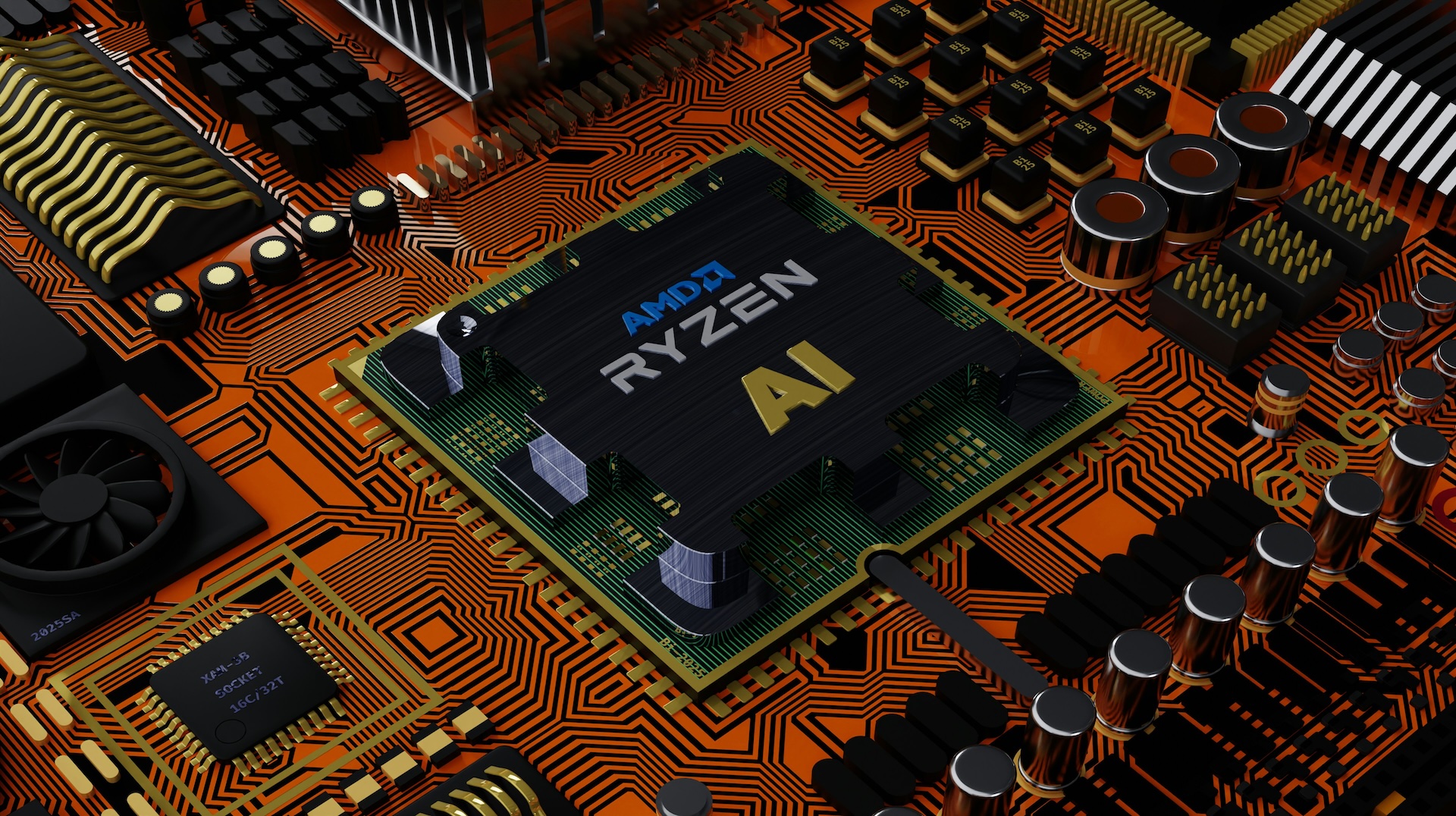
Companies have been pouring billions into AI infrastructure and data centers, prompting mass layoffs in other areas as a trade-off to manage margins on one hand, and justify frenetic hiring of AI/ML engineers on the other.
10. Offsetting costs
Companies have also been chopping headcount to save money on lower-priority projects, while reallocating capital into AI R&D, cloud infrastructure, and other long-term technology bets they believe will drive future growth.
The results: More candidates. Fewer jobs. Higher competition.
But – not all is lost!
Despite the challenges, software engineering is still a strong long-term career.
The name of the game now is – adapting to the new reality by bridging the skills gap:
- Understanding the tech landscape and upskilling accordingly
- Focusing job search efforts on fields with greater demand and roles where there are more opportunities
As the tech landscape changes, so do job roles and expectations. For example, traditional entry-level roles have evolved to require more specialized skills, and positions like DevOps engineers and data scientists are more in demand than ever.
Fields such as AI, machine learning infrastructure, cybersecurity, robotics, cloud infrastructure, and edge computing have created specialized job roles that barely existed a decade ago. Companies increasingly want engineers with experience in modern tools, distributed systems, data infrastructure, automation, and AI-assisted workflows.
Every major technology shift creates new engineering specialties, but the current AI wave is moving faster than most companies — and workers — can realistically keep up with. Companies now expect engineers to adapt continuously, learn new tools constantly, and work across increasingly complex stacks.
In today's job market, highly specialized engineers are aggressively recruited while generalist and entry-level candidates struggle to compete.